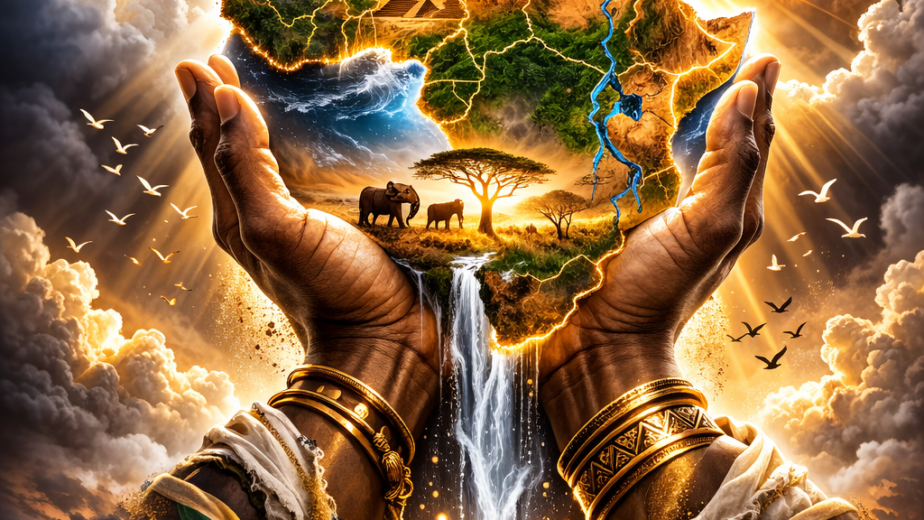
The Republic
Of Kenya
One of Africa's most dynamic and complex nations — marked by economic momentum, evolving public services, world-renowned wildlife, and the daily resilience of its people. From the Silicon Savannah of Nairobi to the wide plains of the Maasai Mara, this is the Kenya behind the headlines.
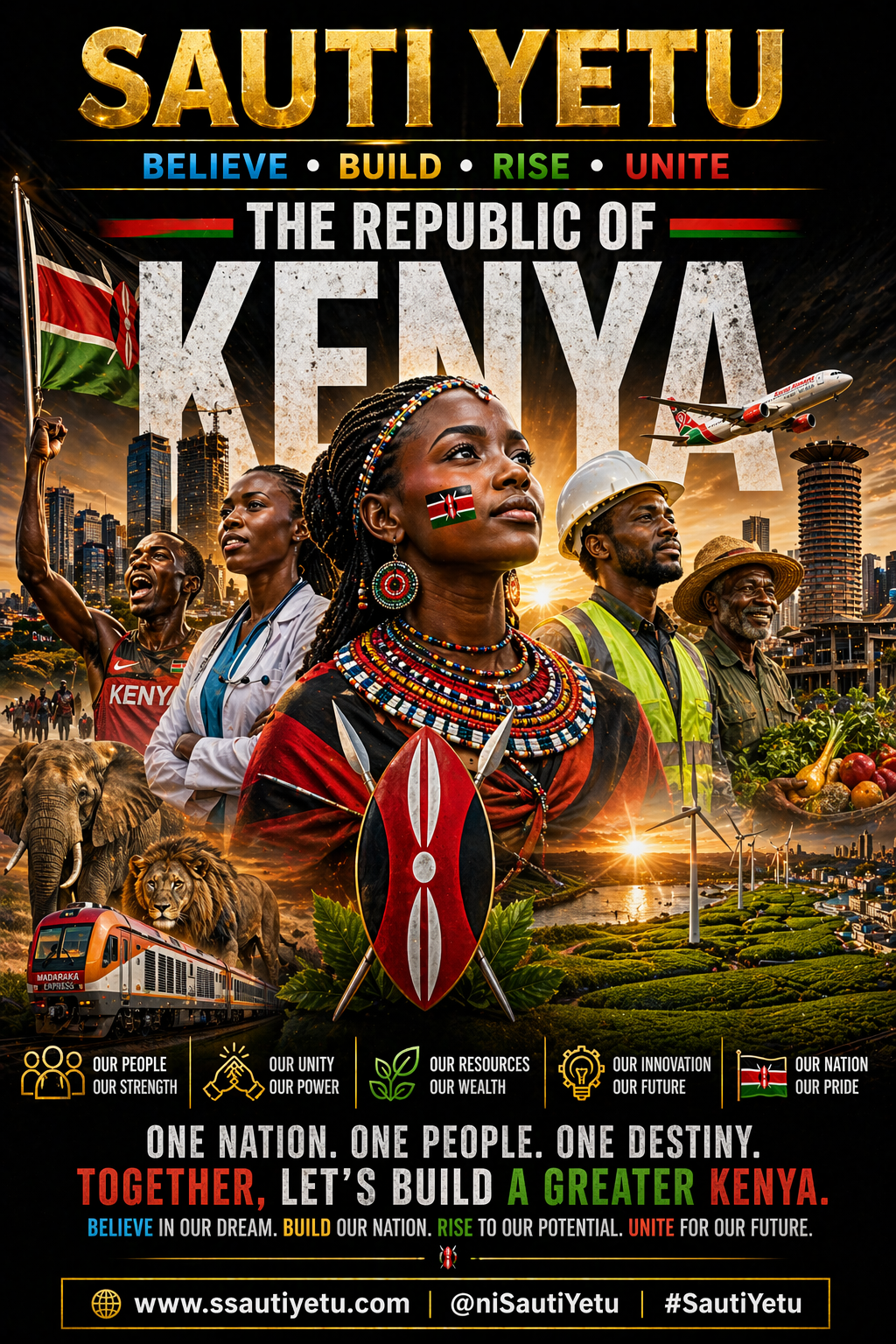
The Republic of Kenya stands as one of Africa's most dynamic and complex nations — marked by economic momentum, evolving public services, and the persistent everyday challenges that shape the lives of its people.
A Growing And Diversifying Economy
Over the past two decades, Kenya has emerged as a regional economic powerhouse in East Africa. Its capital, Nairobi, is often referred to as the "Silicon Savannah" — a name that reflects the country's rapid adoption of technology and innovation. Kenya's economy is driven by a mix of sectors: agriculture, services, manufacturing, and a fast-growing digital economy.
Agriculture remains the backbone, employing a large portion of the population. Tea, coffee, and horticultural exports are key foreign-exchange earners. At the same time, Kenya has become a global leader in mobile financial services — largely due to platforms like M-Pesa, which revolutionized banking access for millions across the continent.
Infrastructure development has been equally significant. Projects such as the Standard Gauge Railway have improved connectivity between major cities and ports, boosting trade and mobility. Despite these gains, growth has not been evenly distributed. Income inequality remains high, and many rural and informal urban communities have yet to fully benefit from the country's progress.
a nation steadily advancing.
The Health System: Progress With Gaps
Kenya's healthcare system has seen notable improvements, particularly in tackling infectious diseases and expanding access to basic services. Government initiatives like the National Hospital Insurance Fund aim to make healthcare more affordable and accessible.
There have been clear successes in reducing the burden of diseases such as HIV/AIDS and malaria — thanks to coordinated efforts between the government, international partners, and local organizations. Maternal and child health indicators have also improved steadily over time.
However, significant challenges persist. Public hospitals are often underfunded and overcrowded, especially in rural areas. Access to quality healthcare can vary widely depending on location and income. Many Kenyans still rely on out-of-pocket payments, which can be financially devastating. The COVID-19 pandemic further exposed weaknesses — shortages in medical supplies, healthcare workers, and infrastructure.
Progress And Persistent Gaps
The Kenyan story rarely fits a single narrative. Side by side, real progress and real strain coexist — and both must be told honestly.
Genuine gains, year after year.
Lower disease burden. Expanded mobile money access. New rail and road infrastructure. A booming tech ecosystem in Nairobi. Improvements in maternal and child health. A growing middle class. A youth population brimming with entrepreneurial energy and global ambition.
PRealities still to be solved.
Income inequality. Rural hospitals under strain. Urban informal settlements without consistent water or sanitation. Climate-vulnerable farming. Youth unemployment. Corruption that erodes public trust. The work of inclusion is ongoing — and it is the work of the next generation.
GTourism And Wildlife: The Pride Of Kenya
Tourism is one of Kenya's most vital economic sectors, drawing millions of visitors each year with its rich biodiversity, dramatic landscapes, and cultural heritage. The country is world-renowned for its safari experiences — particularly in iconic reserves like the Maasai Mara National Reserve, where vast savannahs host an extraordinary array of wildlife.
The Legendary Big Five
Central to Kenya's global tourism appeal is the famous "Big Five": the Lion, Elephant, Leopard, Rhinoceros, and Cape Buffalo. Originally a term used by big-game hunters, it has been reclaimed today as a symbol of the most sought-after wildlife sightings for safari-goers — and of the conservation effort required to protect them.
The Great Migration
Beyond the Big Five, Kenya offers spectacular natural events such as the Great Migration — where millions of wildebeest and zebras move between Kenya and Tanzania in search of greener pastures. This phenomenon is often described as one of the greatest wildlife spectacles on Earth.
But Kenya's tourism is not limited to wildlife alone. From the white sandy beaches along the Indian Ocean coast to the snow-capped peaks of Mount Kenya, the country offers diverse experiences for travelers — and tourism revenue plays a crucial role in conservation and community development. Even so, the sector faces its own headwinds: environmental pressures, climate change, and the volatility of global events like pandemics.
From the Maasai Mara to Mount Kenya.
From Indian Ocean shores to Silicon Savannah skylines.
One country. Many Kenyas. One heartbeat.

Daily Challenges Facing Kenyans
Cost Of Living And Unemployment
Urban residents, particularly in Nairobi, face rising costs of housing, food, and transportation. Youth unemployment remains a pressing issue, with many educated young people struggling to find stable jobs.
Informal Settlements
A significant portion of the urban population lives in informal settlements such as Kibera, where access to clean water, sanitation, and electricity is limited. These areas highlight the stark inequality between different segments of society.
Climate Change And Agriculture
Kenya is highly vulnerable to climate change. Droughts and unpredictable rainfall patterns threaten agricultural productivity, which directly impacts food security and rural livelihoods.
Corruption And Governance
Corruption continues to be a major concern, affecting public trust and the efficient delivery of services. Efforts to improve transparency and accountability are ongoing — but they face resistance and systemic challenges.
Healthcare Access
Quality of care still depends heavily on geography and income. Closing the urban-rural gap, strengthening public hospitals, and reducing reliance on out-of-pocket payments remain critical priorities for the next decade.
Looking Ahead
Kenya's future is filled with both promise and uncertainty. Its youthful population, entrepreneurial spirit, and strategic position in East Africa provide strong foundations for continued growth. Investments in education, healthcare, and governance reforms will be critical in ensuring that development is inclusive and sustainable.
Ultimately, Kenya's story is one of resilience. A nation steadily advancing while confronting the realities of inequality, systemic strain, and the daily struggles of its people — and refusing, with quiet stubbornness, to be defined by any one of them.
"Kenya's story is one of resilience. A nation steadily advancing while confronting the realities of inequality, systemic strain, and the daily struggles of its people."
The headlines tell one Kenya. The streets, the savannahs, the classrooms, and the cookstoves tell another. Both are true. Both deserve to be heard.
The Kenya That Rises
Behind every statistic is a person. Behind every challenge is a Kenyan already working on the answer. The teacher in Kisumu. The startup founder in Westlands. The conservation ranger in the Mara. The mother running a kiosk in Mombasa. The student in Eldoret. These are the engines of the next Kenya — and their work is the work of the continent.
One Country. Many Kenyas.
One Heartbeat.
From the coastline to Mount Kenya.
The future is being written by her people.
A nation steadily advancing — through the hands of her people.
Kenya is more than its headlines, more than its hardships, and more than even its famous safaris. It is a daily, deliberate act of resilience — written by farmers, founders, mothers, students, and rangers refusing to let the difficulty of the present define the possibility of the future.